The answer to the question How does illy produce coffee? is quite lengthy. This is because illy meticulously monitors every stage of the coffee's journey, from bean production to the espresso in your cup. We've detailed the steps of this journey, which we call from bean to cup, below. After reading, you'll also find the answer to the question Why illy coffee?
ARABICA COFFEE BEANS
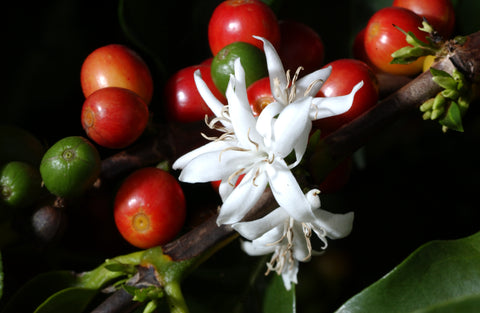
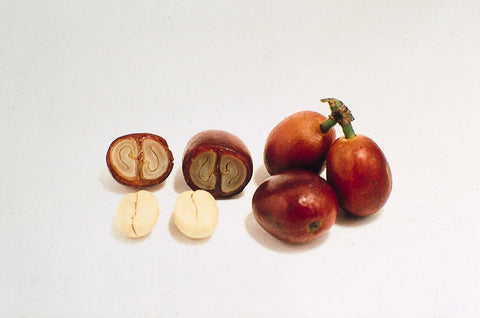
The coffee plant is a tree classified in the genus Coffea of the madder family (Rubiaceae). The Coffea plant, which thrives in humid environments, grows in tropical regions with abundant rainfall and no sudden temperature changes. Of the many varieties of Coffea, the best variety is Arabica coffee beans, which are used in 59% of the world's coffee production today. Arabica coffee beans, produced from the first coffee plants discovered in Ethiopia, usually grow on mountainous plateaus or volcanic slopes at altitudes around 2,000 meters. During periods of increased rainfall, Arabica flowers bloom, creating a captivating sight with their white appearance. Within 8-9 months, the flowers turn into red fruits, resembling cherries, and are therefore also called coffee cherries. The red coffee fruit contains two thin beans, flat on their facing sides and rounded on their outer sides. Each Arabica coffee fruit contains 2 separate beans.
CULTIVATION
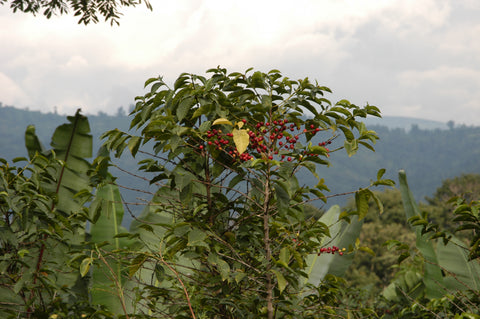
Coffee is cultivated using 3 different methods worldwide. These methods are generally shaped by different regional traditions, climate, and geographical conditions. Shade cultivation, the oldest and most traditional coffee cultivation method known, is still practiced in parts of America and India. In Brazil, known as a major producer, coffee plants grown under the sun in large-scale fields thrive with special irrigation and harvesting techniques, and wider environmental impacts.
HARVEST
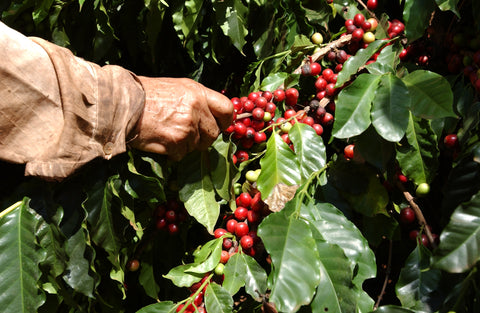
Since coffee flowers bloom in the rain, flowers and fruits are found together, which makes coffee harvesting difficult. There are 3 different harvesting methods known worldwide. The first method involves shaking the branches to allow all ripe fruits to fall naturally, with the sorting process left until the very end. The second method involves picking the fruits regardless of whether they are ripe or unripe, and then sorting them. Although these two processes allow for the collection of a larger volume of fruits, they are not considered efficient methods for collecting high-quality coffee beans. illy's method of hand-picking each bean individually is a more expensive system than other methods, but it improves blend quality.
SORTING
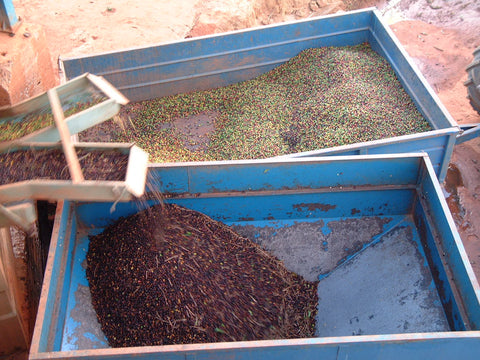
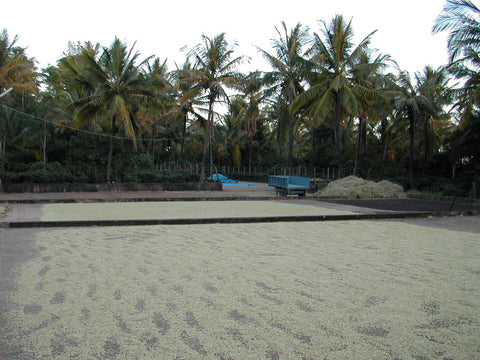
Coffee beans are extracted from the coffee fruit using two different methods: wet processing or dry processing. Coffee beans obtained through dry processing are known in the industry as "natural coffee." "Natural coffee" is obtained by naturally drying the fruits under the sun for up to 20 days. After the coffee beans are completely dry, they are separated from the fleshy part of the fruit. Coffee beans obtained through wet processing are placed in water tanks. With this method, coffee beans that are easily separated from the fruit peels are left to dry. Green coffee beans processed by both methods are then sorted according to their shape and size.
TRANSPORT
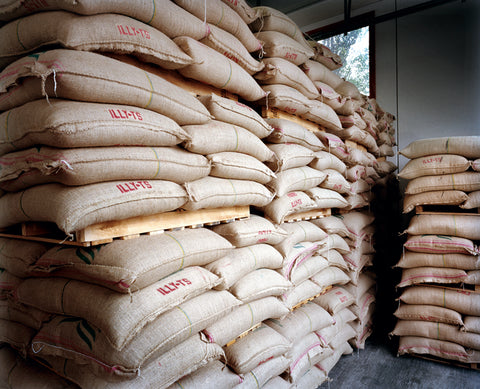
The journey of green coffee beans to illy's roasting units in Trieste begins in 60-kilogram woven sacks from the source countries. Thanks to these woven sacks, the risk of mold in the aerated beans is minimized throughout their journey. illy's methods, used with its experience and knowledge in transporting coffee beans, are unique to illy. These methods ensure that green coffee beans are transferred from their homeland to illy's unit in Trieste while maintaining their integrity.
SELECTION
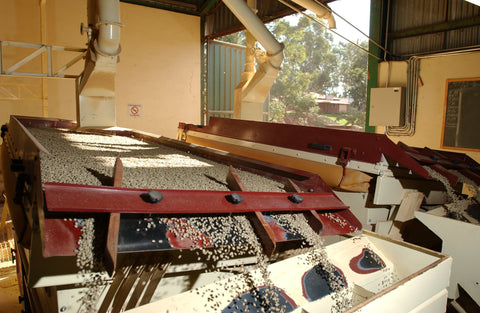
The woven sacks that arrive in Trieste are first numbered and then processed for inspection. The selection process begins by placing the coffee beans on a vibrating belt. As the beans move along this belt, they are separated from foreign matter. Subsequently, small particles are cleaned with a vacuum machine, and any magnetic particles are removed with the help of a magnet. Finally, all fermented, unsorted, or unsuitable beans are separated using advanced imaging techniques. But why does illy need such a detailed inspection process? Because just 1 unsuitable bean among 50 coffee beans is enough to spoil the taste of a cup of coffee. At illy units, nearly 45 tons of coffee beans are separated daily using this meticulous method.
BLENDING
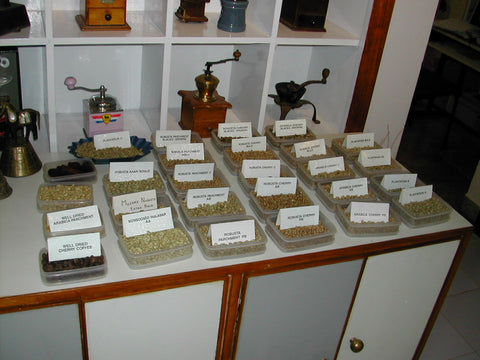
Before roasting, illy carefully blends 9 different varieties of Arabica coffee beans to ensure that each contributes its unique characteristics equally to the cup. This process is essential for illy to achieve the same aroma in every blend. The blending process is an art in itself. Coffees from different origins carry different aromas, and skilled hands harmoniously blend these coffees. Coffee harvests vary from year to year. Even within the same coffee fruit, two separate beans with different characteristics can be found, so using a fixed formula during blending is naturally not very feasible. To achieve a quality blend, knowing the different characteristics of 9 different coffee beans and understanding how they interact is the most important factor. In other words, illy's ability to achieve the same aroma in every sip stems from its deep understanding of coffee characteristics and blending methods.
ROASTING
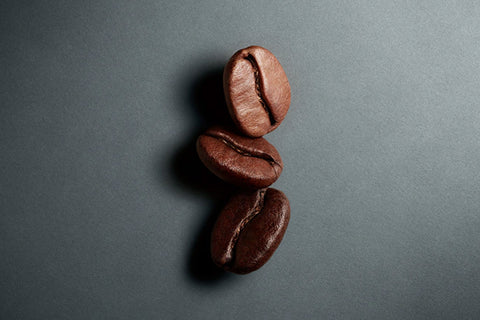
The roasting process is one of the most important stages in the coffee's story. Under temperatures reaching 200°C for 15 minutes, nearly 800 substances are released, each contributing uniquely to the taste and aroma of the illy blend. During the roasting process, coffee beans, reaching very high temperatures, first turn a golden yellow color and develop a toasted aroma. As the roasting process continues, the volume of the beans increases by up to 60%, and their color becomes light brown. In the final stage, the beans turn into the familiar coffee tone, losing approximately 18% of their weight and acquiring a fragile, brittle structure.
It is crucial that the roasting process is completed at the right time. Coffee beans roasted for too long lose their characteristics and aroma. Their ideal balance of acidity and bitterness is disrupted.
Immediately after the roasting process is completed, air cooling is applied to prevent the beans from cooking further due to heat. This ensures that the aroma is preserved and the blend is maintained at its best level.
PACKAGING
Roasted coffee loses 40% of its essential aroma 8 hours after contact with air. Therefore, packaging the coffee using a vacuum method to prevent air contact is vital.
illy, however, uses pressurization technology, distinct from this packaging method, to ensure the coffee reaches the cup without losing its characteristics.
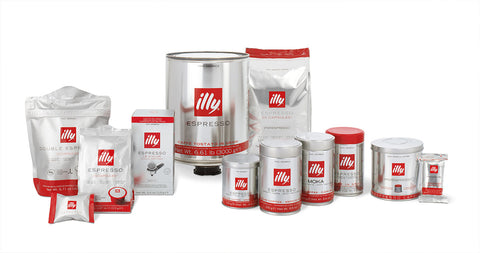
The roasted coffees are pressurized in recyclable cans with nitrogen. This process preserves the coffee aroma for more than 1 year. The perfect coffee aroma released with the sound when you open the can is proof of its unique freshness. EXPLORE illy 250g whole bean and ground coffee varieties!
THE PERFECT ESPRESSO
The making of a perfect espresso begins with selecting the highest quality Arabica coffee beans. When served, its pleasant and alluring aroma emanates from the cup, leaving coffee enthusiasts with a caramel-like and softly bitter taste on their palate with the first sip.
The trick is that the reddish-brown crema on top of the espresso forms a pattern resembling tiger stripes.